
 EN
EN



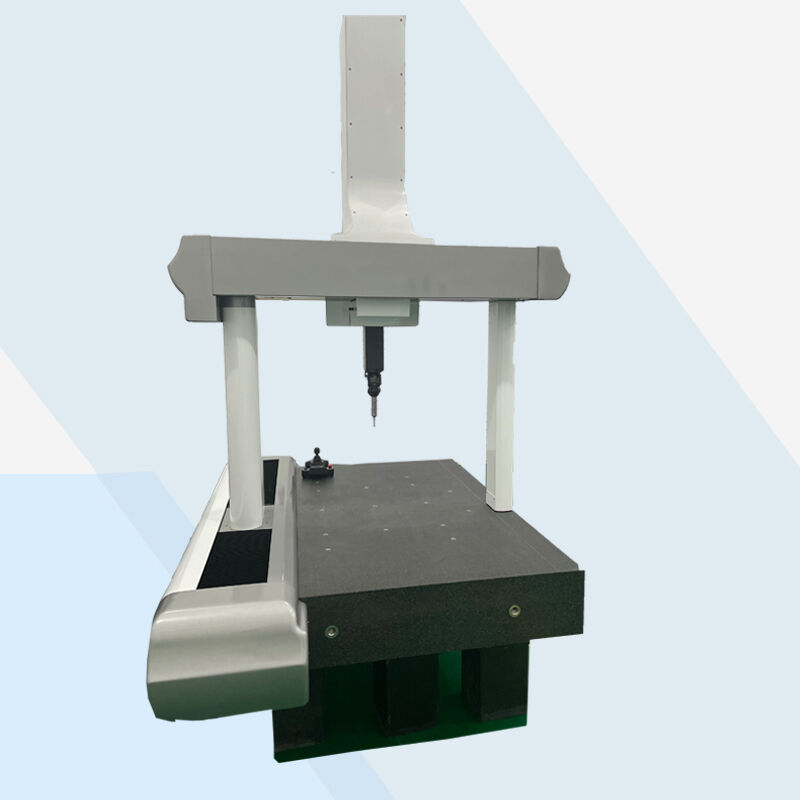
Why Routine Checks Matter More Than You Think
A cmm machine is a significant investment, and it holds a critical role in any quality system. When it drifts out of spec, you might not make bad parts, but you can make bad decisions about good parts. Good parts get rejected, borderline parts get shipped, and trust in the measurement data erodes. The tricky thing is that drift often happens slowly, and you will not notice it if you only look at the calibration certificate on the wall. Daily and weekly checks are the only way to catch small problems before they become big ones.
Cleanliness Is a Daily Ritual
The very first check costs nothing and takes five minutes. Look at the machine. A cmm machine works with air bearings that float on a film of compressed air measured in microns. Any dust, oil mist, or debris on the granite table or guideways can cause those bearings to crash or drag, scoring the granite and ruining accuracy. Every day before running anything, wipe down the granite table with a clean, lint free cloth and a suitable granite cleaner. Check the guideway covers for accumulated grime. Inspect the bellows and way covers for cracks or tears. If dirt gets inside the guide mechanism, you have a much bigger problem than a dirty surface. Keeping things clean is the simplest and most effective way to protect your cmm machine.
Air Supply, Filters, and Dryers
The air supply is the lifeblood of a cmm machine. Most machines require clean, dry air at a specific pressure, usually marked on a regulator near the back of the machine. Check the pressure gauge every morning. If the pressure is low, the air bearings might not fully lift the moving parts, and you could be dragging metal on granite without even realizing it until you see the wear marks. More importantly, check the air dryer and filter elements regularly. A saturated dryer or a clogged filter lets moisture and oil pass through into the bearing surfaces. Moisture combines with tiny particles to form a grinding paste that laps away the precision surfaces over time. Replacing filter elements on schedule is cheap insurance compared to a bearing rebuild.
Probe and Stylus Inspection
Probing errors are one of the most common sources of bad measurement data. Before running any program, visually inspect the stylus under magnification if possible. A tiny chip on the ruby ball, a bent stem, or a loose thread where the stylus screws into the probe module can throw off every measurement that follows. Give the stylus a gentle wiggle with clean fingers to make sure it is seated tight. If you use a touch trigger probe, run a simple qualification on a reference sphere and check the probe's form error and standard deviation. A sudden jump in these numbers often means a worn or damaged stylus tip. With scanning probes, look for any change in the qualification results from day to day. Keeping a log of probe qualification data lets you see trends and change styli before they cause measurement failures.
Warm Up and Calibration Cycles
A cmm machine is a precision instrument, and its geometry changes slightly as it warms up. If the machine sits cold overnight, running a warm up cycle in the morning is a smart habit. Most controllers have a built in warm up routine that moves all axes through their full range of motion, getting the bearings lubricated with air, distributing any thin oil film, and bringing the machine structure to a stable operating temperature. After the warm up, run a daily quick check using a calibrated sphere or a reference artifact in a known location. Measure a few features and compare the results to the known values. This simple routine verifies that the entire system, machine, probe, temperature compensation, is working correctly before you measure any real parts.
Watching the Environment
Temperature is the invisible enemy of any cmm machine. Even machines with sophisticated temperature compensation are not immune to rapid temperature swings or gradients. Place a thermometer or a simple data logger near the machine and check the readings daily. If the temperature in the lab swings more than a couple of degrees over the course of a day, or if one side of the machine is in direct sunlight or near an air conditioning vent, you are going to see measurement scatter. The ideal situation is a stable environment with a slow, gradual temperature change throughout the day. Also, check for sources of vibration that may have appeared, like a new compressor installed next door or a forklift route that shakes the floor every half hour. These things often go unnoticed until someone investigates a repeatability problem.
Keeping a Simple Logbook
The most disciplined shops keep a daily logbook for each cmm machine. It does not need to be fancy. A simple notebook page with the date, air pressure reading, temperature, probe qualification results, and a check mark for cleaning can be invaluable. When a problem does occur, this logbook gives you a timeline. You can see exactly when a trend started, whether it correlates with a filter change, a weather front moving through, or a new operator taking over. Without this history, troubleshooting a precision machine often turns into guesswork. A few minutes of daily documentation can save hours of downtime later.