
 EN
EN



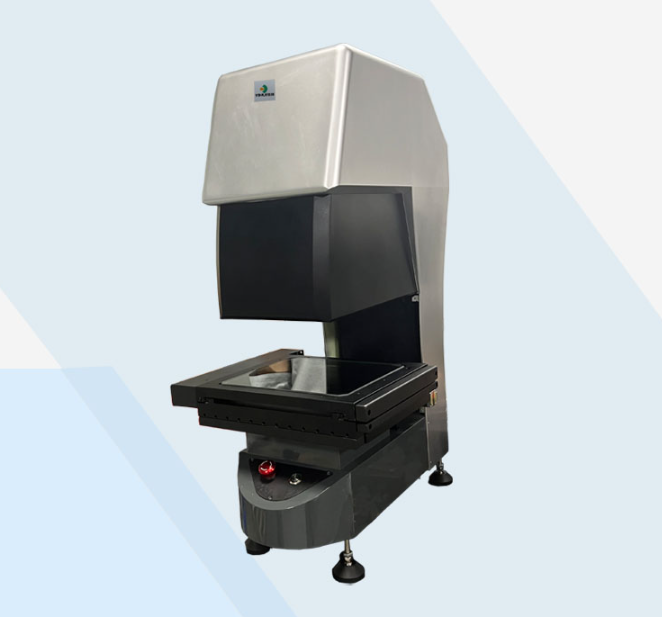
Some production lines run really fast. If you want to keep your line moving without stopping, you have to make sure your inspection step is not the bottleneck. A slow vision inspection system causes delays, raises costs, and lets more defects slip through. Speed in a vision inspection system depends on getting several important parts right. Let us look at the most important ones.
Camera Performance Sets the Pace
The camera is where everything starts. If your camera cannot capture a clean image quickly, nothing else matters. You could have the fastest processor or the smartest software, but a bad image means bad results.
The first thing to check is frame rate. That is how many pictures the camera can take each second. A slow frame rate means poor capture performance. On a line that runs thousands of parts per minute, the camera must match that speed. For example, a line running 1200 parts per minute gives you only about 50 milliseconds to capture each part clearly.
Exposure time is another big factor. Leave the shutter open too long, and moving parts become blurry streaks. Close it too fast, and the image turns out too dark. For high speed inspection, exposure times often drop into the microsecond range. Some heavy duty systems cut exposure time from 40 to 50 microseconds down to 12 microseconds. That change alone can boost inspection speeds from 4000 parts per minute to over 6000.
Shutter type also makes a big difference. Rolling shutters capture images line by line. They work fine for still objects, but moving parts can look distorted. Global shutters capture the whole image at once. They freeze motion without any distortion. For high speed lines, global shutter cameras are the best choice.
Processing Power and Smart Algorithms
Once the camera grabs an image, the real work begins. The system has to analyze that image and decide if the part passes or fails. How fast this happens depends on processing power and how smart the algorithms are.
Processing speed has improved a lot. Some modern vision inspection systems offer more than double the processing power of systems from just ten years ago. The benchmark for accurate and efficient work now falls around 300 microseconds. This extra speed lets you run faster lines without sacrificing accuracy.
But raw processing power is only half the story. The efficiency of the algorithms matters just as much. Simple inspections like checking if a hole is present can finish in 20 to 100 milliseconds. More complex inspections take longer. Smart system design can cut processing time by lowering image resolution where possible or removing unnecessary steps. One case study showed that an optimized system completed image processing in about 150 milliseconds per frame.
AI based algorithms have changed the game. They handle complex defect detection with high accuracy while keeping up speed. Some systems use a dual engine approach, combining traditional algorithms for speed and AI for intelligence. This delivers comprehensive inspection capabilities without slowing down the line.
Lighting and Image Quality Matter More Than You Think
Many people are surprised to learn that poor lighting slows down a vision inspection system just as much as a slow camera does. Bad lighting creates images that are hard to analyze, so the software has to work harder and longer to find defects.
Consistent lighting is essential. Natural light changes throughout the day, and those changes can mess up your inspection results. Strobe lighting is especially useful for high speed lines. It fires a very bright, very short pulse of light that freezes fast moving parts, producing sharp images.
Good lighting also reduces processing time. When defects stand out clearly against the background, the algorithm does not have to search as hard. One lighting upgrade increased inspection speeds from 4000 to 6000 parts per minute simply by making images cleaner and easier to analyze.
Data Transfer and Interface Bottlenecks
Nobody talks about this enough, but data transfer is a common bottleneck. High resolution images carry a lot of data. A single 2000x2000 RGB image takes up about 12 megabytes of memory. Now imagine dozens of cameras running continuously, producing terabytes of data.
If the connection between the camera and the processor is too slow, images get backed up. The system misses frames or processes them late, causing delays and missed defects. High speed interfaces like GigE Vision, USB3 Vision, and CoaXPress solve this problem. They move large image files quickly without congestion.
Hardware triggering also helps. Instead of relying on software that can introduce random delays, hardware triggers use sensors to tell the camera exactly when to capture an image. This achieves microsecond level precision, keeping the whole system responsive.
System Integration and Trigger Timing
A vision inspection system does not work alone. It has to work smoothly with the rest of your production line. Bad integration means bad speed.
Trigger timing is critical. The system needs to know exactly when a part is in position to be inspected. On a fast moving line, the window for capturing a good image might be only 50 milliseconds wide. If the trigger comes too early or too late, you get blurry or off center images that waste time.
Flying trigger technology is one solution. Instead of stopping the line or the robot at each inspection point, the system captures images while everything keeps moving. Manufacturers report inspection time improvements of 40 to 50 percent using this approach. The key is tight integration between motion control, camera timing, and lighting.
Multiple camera setups add another layer of complexity. All the cameras need to be synchronized so they capture images at the same time. Otherwise, you end up with mismatched data that is hard to analyze. Well designed systems handle this automatically, ensuring smooth operation even with multiple inspection angles.
Putting It All Together
The speed of a vision inspection system comes down to getting several things right at once. Camera performance determines how fast you can capture clean images. Processing power and algorithm efficiency determine how fast you can analyze them. Lighting affects image quality, which directly impacts analysis time. Data transfer speed determines whether images reach the processor without delay. And system integration ensures everything works together smoothly.
Manufacturers who get these factors right see real results. Some cut inspection time by 40 percent. Others achieve 99 percent defect detection while keeping up with high speed production lines. YIHUI designs vision inspection equipment with these principles in mind, offering systems that balance speed and accuracy for industries like machinery, electronics, aerospace, and automotive. A fast inspection is only useful if it is also accurate. Get the fundamentals right, and your vision inspection system will keep up with whatever your production line throws at it.