
 EN
EN


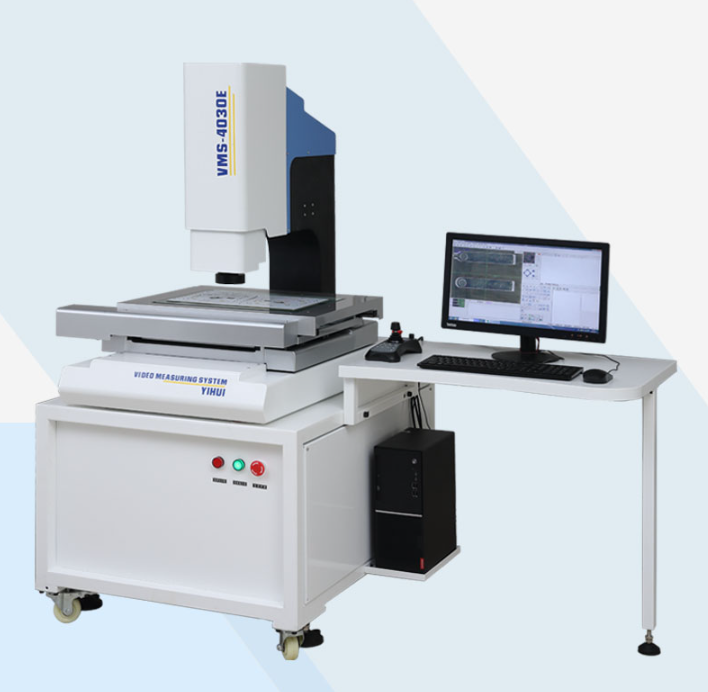
Your brand is the overall impression a customer gets from your company, good or bad. So you can probably imagine the damage a bad purchase can do. The worst part is that customers connect a defective product to the promise behind every brand. You could have the best company in the world, but one defective product will break that promise. The good news is that a vision inspection system can help with quality control and save you a lot of time and trouble. Here are a few ways this technology helps protect your brand.
Be the Defect Free Champion
The damage to a company‘s brand when a customer receives a defective product is terrible. People remember bad experiences, and they tell others. One bad purchase can undo years of hard work.
A vision inspection system changes that. Unlike human inspectors who get tired and distracted, a vision system never misses a product. It checks every single item that moves down your line. That means every customer gets a product without defects.
The statistics back this up. During long shifts, manual inspection typically catches only 70 to 80 percent of defects, mainly due to fatigue. A well calibrated vision inspection system regularly achieves over 95 percent detection, and AI powered systems can exceed 99 percent. That means far fewer defective products leave your facility. Customer satisfaction goes up. And your company builds a solid reputation for reliability that competitors will find hard to beat.
This level of consistency is extremely important in industries like automotive, aerospace, electronics, and medical devices. One missed defect in those fields can lead to safety issues, massive recalls, and permanent brand damage. A vision inspection system acts as your insurance policy against that kind of harm.
Quality issues rarely show up only at the end of the line. They creep in gradually. Raw materials can have hidden flaws. Machinery can drift out of calibration. An employee might accidentally use the wrong component. Finding these problems at the final inspection is too late. By then you have already wasted time, materials, and money.
A vision inspection system helps you identify problems much earlier. You can place inspection stations at different points along your production line. Incoming raw materials get checked before they enter the process. In process inspections make sure everything stays on track. And final inspection verifies that every finished product meets your standards before it goes out the door.
Early detection saves money, of course, but more importantly, it saves your reputation. An optical inspection system gives you proof that products were in good condition when they left your factory. So when a customer receives a perfect product, you have evidence that it left your facility that way. If a problem shows up later, you know it happened elsewhere. That kind of evidence is extremely valuable in case of a dispute.
Take the example of a paper mill that installed an optical inspection system. They saved about half a million dollars annually by reducing customer complaints, paper loss, and rejects. Even more important, they built stronger relationships with both new and existing customers. Those customers now have great confidence in the mill because they know every product goes through careful inspection. The same principle applies no matter what you make.
Your Quality Record Speaks for Itself
Let me ask you a question. If a customer asked for proof that your products are consistently high quality, could you provide it? Not just a certificate or a promise. Real evidence that every single product meets your specifications.
A modern vision inspection system gives you exactly that. Every time a product runs through the system, measurements, images, pass or fail status, and defect types are collected. All of it gets stored in a format you can use for audits, customer reports, and internal improvements.
This is not just about catching bad products. It is about building your brand‘s quality story. When a client compares your products to a cheaper competitor, price often wins at first. But then you can show them the data. Here are our defect rates. Here is our product integrity. Here is proof that we take quality seriously.
Larger companies often require quality documentation for government contracts. But for smaller companies, that documentation can be a game changer. You walk into a negotiation with your quality record in hand. You defend yourself against false claims with time stamped proof. You document your process improvements by tracking defect trends over time.
Companies that use AI powered vision inspection have seen dramatic results. One business cut customer complaints by 85 percent in just four months. Another earned back their entire investment in less than a week by preventing a single costly defect. Some changes are instantly impactful, but the real power comes from building trust year after year.
The Benefit
Investing in a vision inspection system protects your brand‘s reputation on three fronts. First, it helps you achieve a near zero defect standard by catching problems even the most skilled operators might miss. Second, it stops defective products from ever reaching your customers. Third, it provides documented proof that your brand operates at the highest quality level, which helps you earn customer trust and win new business.
YIHUI has been designing video measuring systems and inspection solutions since 2009, serving industries like machinery, electronics, aerospace, and automotive. Their equipment helps manufacturers catch defects early, measure with confidence, and protect the brand reputation they have worked so hard to build. At the end of the day, your brand is only as strong as the quality you deliver. A vision inspection system makes sure that quality never slips.